

Ecommerce Website Development Services
Shoppers leave in seconds when a store is slow, confusing or hard to check out on a phone. As an ecommerce website development company for small businesses and growing brands, we build online stores that load fast, make checkout simple and are easy for your team to run, so more visitors turn into orders.
Reviewed by Raj Laddha, CEO & Founder, on
Trusted by teams at





The problem
Why Online Stores Stop Selling
You paid to get the visitor there. A slow product page or a long checkout means you lose the sale anyway.
All three come down to how the store was built, and all three can be fixed.
Book a callToo many plugins
Every new feature arrives as another plugin, from reviews to popups to shipping rules, until updates break checkout and pages slow down.
Slow product pages
Large images, heavy themes and app scripts make product and category pages slow, and shoppers on phones leave before the page finishes loading.
Your team cannot edit it
Launching a promotion, collection or landing page needs a developer, so campaigns go live late or not at all.
What we solve
Problems We Commonly Solve for Online Stores
Beyond the basics, these are the problems ecommerce clients most often bring to us.
Several stores or brands
One WooCommerce setup for brands that each run their own store, so every brand looks right without double the work.
Inventory and fulfillment sync
Stock, orders and shipping connected to your ERP, warehouse or shipping partner, so nothing is updated by hand.
Checkout drop-off
Shorter checkouts, guest checkout and clear costs up front, tested on real devices.
Subscriptions and memberships
Recurring orders, member pricing and gated content with WooCommerce Subscriptions and Memberships.
Product data at scale
Variations, bundles and bulk imports organized so large catalogs stay accurate and searchable.
Moving off Shopify or Magento
Products, customers, orders and URLs moved to WooCommerce, with every old URL redirected to protect rankings.
Services
What Our Ecommerce Development Covers
A store that sells well lets shoppers find the product, trust the page and pay in a few taps. Stock and orders update on their own. Your team launches sales and new products without waiting on a developer.
Custom Ecommerce Website Design
A store design built around your brand and your best-selling products, designed for phones first and usable by everyone.
WooCommerce Store Development
Product filters, bundles and checkout flows built on WooCommerce, with a backend your team can run.
Store Redesign and Replatforming
Turn a dated or slow store into a fast, modern one without losing product data, reviews or search rankings.
Secure Store Migration
Move from Shopify, Magento or BigCommerce to WooCommerce with every product, customer, order and URL mapped.
Store Speed and Conversion Optimization
Faster product and category pages and a lighter checkout that loses fewer shoppers.
Store Maintenance and Support
Updates tested before they go live, checkout and payment monitoring, backups and security.
Ecommerce work
Online Stores We Have Built
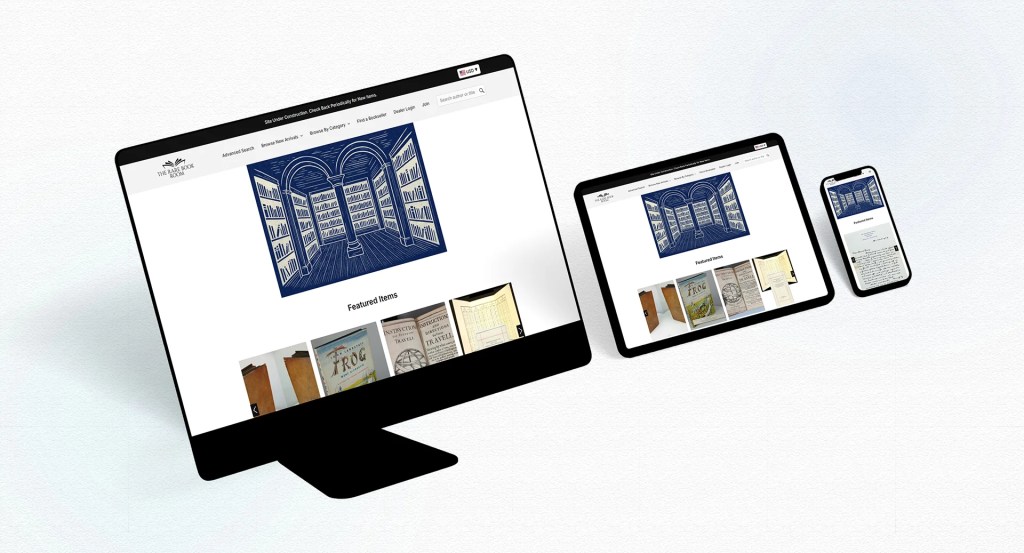
What we built for each store, and how fast it went live.

Every build includes
Custom Online Stores Built Around Your Business
Every store we deliver follows the same five principles, applied to how shoppers browse, compare and buy. The store is yours to own, and every page and checkout step works on phones, tablets and desktops.
Get a fixed estimate-
Ready for more products and channels. Add products, brands, markets and sales channels without rebuilding the store.
-
Built with speed in mind. Light images and lean code keep product and category pages fast on phones.
-
Product pages, filters and checkout that shoppers using screen readers or keyboards can use to buy too.
-
Product pages set up so your products can show up in Google results, shopping listings and AI answers.
-
Your team launches products, collections and promotions on its own, without waiting on a developer.


Store types
Online Stores We Build
We build across ecommerce. The catalog and checkout change with the business. The standard does not.
-
Direct-to-Consumer Brands
Brand-led stores with product storytelling, reviews and fast mobile checkout.
-
B2B and Wholesale
Account pricing, quick order forms, quotes and reorders for trade buyers.
-
Subscription Businesses
Recurring boxes, replenishment orders and customer self-service for plan changes.
-
Memberships and Courses
Paid content, member pricing and course access sold through WooCommerce.
-
Specialty and Automotive Retail
Large catalogs filtered by fitment, model or specification.
-
Food and Beverage
Local delivery zones, pickup slots and age verification where required.
-
Health and Beauty
Bundles, samples and subscriptions with clear ingredient and usage information.
-
Multi-Brand Retailers
Several storefronts sharing one catalog, inventory and order system.
Built on WordPress
Shopify vs. WooCommerce: Which Is Right for Your Store?
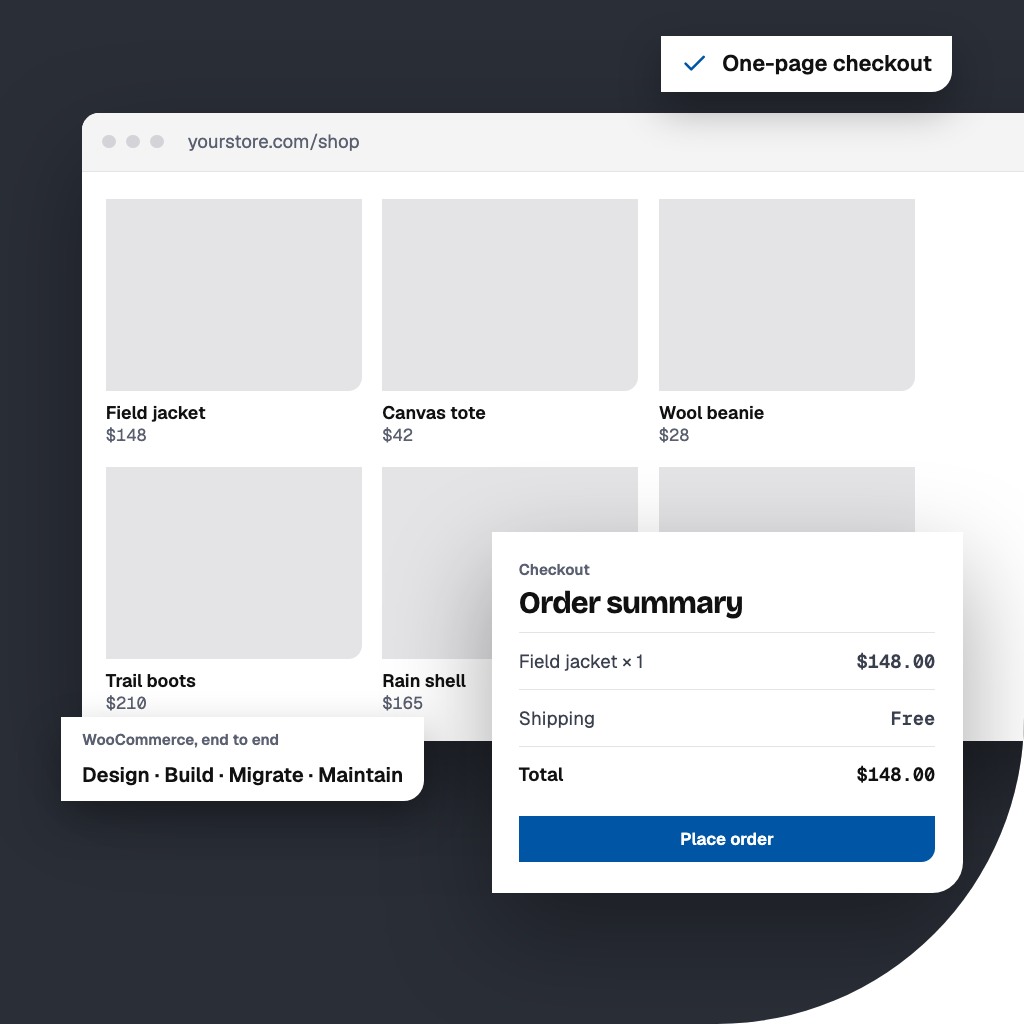
Shopify can suit very simple stores. With WooCommerce there are no platform transaction fees, no monthly app bills piling up, and the store is yours.
- Fees
- Shopify: a monthly plan, paid apps, and extra transaction fees if you use another payment provider. WooCommerce: no platform transaction fees. You pay for hosting and only the extras you choose.
- Ownership
- Shopify: your store lives on Shopify and follows its rules. WooCommerce: the store, its data and its code are yours, and you can move it any time.
- Flexibility
- Shopify: changes are limited to what themes and apps allow. WooCommerce: product pages, checkout and content can work the way your business does.
Process
How an Ecommerce Website Project Works
Every store project follows the same five steps, with test orders and payment checks on a private copy of your store before it goes live.
-
01. Discovery and Scoping
A short call where we learn your products, your customers, and how orders are fulfilled.

-
02. Design and Structure
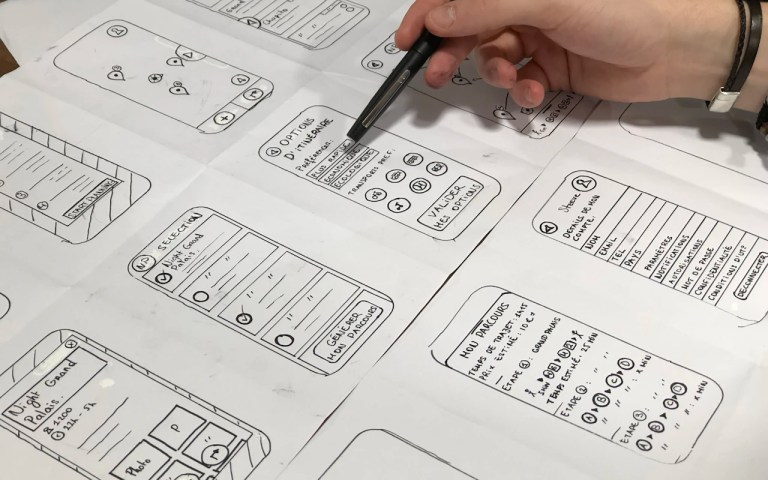
Designs for your sign-off before any build work, with category, product and checkout pages planned first.
-
03. Development
Short rounds of work on a private copy of your store, with payment, shipping and stock connections built in.

-
04. QA & Pre-Launch
Test orders, payment and tax checks, accessibility review and speed testing on real devices.

-
05. Launch & Beyond
A managed launch with product and category redirects, then a two-week monitoring window.

Client reviews
What Store Owners Say About Us
“My company has been working with cmsMinds for about a year now on custom WordPress and Woocommerce projects. They have been wonderful to work with. Very professional, responsive, and solution oriented. 5 stars!”
 Tracewell Gordon
Pricing
How Much Does an Ecommerce Website Cost?
Priced by the number of page templates your site needs. You get a fixed written estimate, usually within three to five business days of a free scoping call.
| SITE SIZE | TYPICAL RANGE | TIMELINE |
|---|---|---|
| 5–10 page templates | $10,000–$25,000 | 4–8 weeks |
| 10–25 page templates | $25,000–$50,000 | 8–12 weeks |
| 25+ templates, subscriptions or B2B accounts | $50,000–$100,000 | 12–20 weeks |
| WooCommerce maintenance and support | $150 – $400 a month | Ongoing |
If a project is outside your budget, we will tell you on the first call and point you toward a simpler option that fits.
Get a fixed estimateOnline Stores Built to Sell
Designed to help shoppers find products, trust your store and check out quickly. Book a free scoping call and get a fixed written estimate.
FAQ
Ecommerce Website Development FAQs
Answers to the questions store owners ask most before a new build or migration.
How much does an ecommerce website cost?
Most online stores we build cost $10,000–$50,000, priced by the number of page templates. A store with 5–10 templates runs $10,000–$25,000, 10–25 templates runs $25,000–$50,000, and larger stores with subscriptions or B2B accounts run $50,000–$100,000. Every project starts with a free scoping call and a written, fixed-price estimate within three to five business days.
How long does an ecommerce website take to build?
A store with 5–10 page templates takes 4–8 weeks. A store with 10–25 templates and integrations usually runs 8–12 weeks, and larger builds with subscriptions or B2B accounts run 12–20 weeks. WestNav-Tech went from a new brand to a live WooCommerce store in four weeks.
Should we use Shopify or WooCommerce?
Shopify can suit very simple stores. WooCommerce has no platform transaction fees, gives you full control of checkout and product data, and keeps your store and content on one WordPress site you own. It suits stores that need B2B pricing, subscriptions or connections to the other systems you run.
Should we hire a freelancer or an ecommerce development agency?
A freelancer can suit a small store with a standard theme. Once you rely on integrations, subscriptions or custom checkout, one person becomes a single point of failure. We give you a team, a fixed scope, code you own and support after launch.
Will an ecommerce website redesign hurt our search rankings?
Not when it is planned. We map every product and category URL, set up redirects, carry over titles, descriptions and reviews, and compare rankings after launch.
Can you support the store after launch?
Yes. Our WooCommerce maintenance plans cover tested updates, checkout and payment monitoring and backups from $150 a month, and Growth and Pro add monthly hours for small content requests.
Can WooCommerce handle a large catalog?
Yes. With good hosting and a well-organized catalog, WooCommerce runs stores with thousands of products and busy sale days.
Can you connect our store to our warehouse or ERP?
Yes. We connect WooCommerce to your ERP, inventory, warehouse and shipping systems so stock, orders and tracking stay in sync without manual updates.