
Enterprise WordPress Development Services
When your organization runs many sites, teams and connected systems, keeping them secure and consistent gets harder every year. As an enterprise WordPress agency, we design the architecture, governance and integrations around how your teams publish, so your sites are easier to secure, keep on-brand and manage.
Reviewed by Raj Laddha, CEO & Founder, on

Automattic Pro Partner
15+ years building only on WordPress
Trusted by Enterprise Teams on WordPress





Services
Our Enterprise WordPress Development Services
One partner for the full platform: architecture, build, migration, integrations, security, and support after launch.
Enterprise WordPress Development
Custom themes, block libraries, and plugins built to WordPress coding standards for platforms with thousands of pages and many editors.
Multisite and Network Builds
One codebase and one design system powering brand, regional, or departmental sites, with central control and local publishing.
Enterprise CMS Migration
Planned moves from Sitecore, Adobe Experience Manager, Drupal, and legacy platforms, with URL mapping, redirects, and SEO preserved.
Headless and Decoupled WordPress
WordPress as the content layer behind React or Next.js frontends, apps, and other channels, delivered over REST or WPGraphQL.
Enterprise Integrations
SSO, CRM, ERP, DAM, marketing automation, and internal systems connected through APIs and custom plugins, not fragile connectors.
Security, Support and Retainers
Staged updates, security hardening, monitoring, and a dedicated team on a monthly retainer that already knows your platform.

The basics
What Is Enterprise WordPress?
Enterprise WordPress is WordPress built and run for large organizations: many sites, many editors, strict security and compliance needs, and integrations with existing business systems. It uses the same open-source core as any WordPress site, with custom architecture around it.
It usually starts with a platform that was chosen years ago. License fees grow with every new site, upgrades are priced like new projects, and a simple page change waits in an IT queue for a week while marketing misses its launch date.
Enterprise WordPress moves that budget and time into improving the platform. One codebase and design system power every site, editors publish with approved block patterns, and SSO, CRM, and other systems connect through code your team owns.
Why WordPress
Why Enterprises Are Standardizing on WordPress
Enterprise teams are moving off proprietary platforms for the same reasons: cost, speed, and control. WordPress gives them all three without giving up scale.
Plan your enterprise platformNo license lock-in
Open-source core with no per-site or per-user license fees. Budget moves from licenses to the work that improves your platform.
Editors publish without tickets
Block-based editing and approved design patterns let marketing and communications teams ship pages without waiting on developers.
A deep talent pool
WordPress powers more than 40% of websites. Your platform is not dependent on a small group of specialists or a single vendor.
Built for many sites
Multisite and headless architectures support brand portfolios, regional sites, intranets, and apps from one content platform.
Enterprise requirements
Built for the Requirements Enterprise Teams Bring
Every enterprise platform we build is designed around governance, security, and scale from the first architecture session.
Security and access
SSO through SAML or OAuth, role and permission design, security hardening, audit logging, and staged updates tested before production.
Accessibility
WCAG 2.2 AA from the wireframe phase across every template and block, with accessibility testing before launch.
Governance
Approved block patterns, editorial workflows, and permissions that keep hundreds of pages on-brand across many teams.
Performance at scale
Object caching, CDN-first delivery, query optimization, and load testing before launch, so the platform holds up under traffic spikes.
Integrations
SSO, CRM, ERP, DAM, analytics, and marketing automation connected through APIs and custom plugins your team owns.
Ownership
Standard WordPress code, documentation, and repositories in your name. No proprietary framework and no vendor lock-in.
Comparison
Legacy DXP vs Enterprise WordPress
The difference shows up in budget, publishing speed, and how easily the platform can change.
Legacy proprietary DXP
- Annual license fees that grow with sites and users
- Major version upgrades priced like new projects
- Small pool of certified developers
- Publishing changes routed through IT tickets
- Features locked to the vendor roadmap
Enterprise WordPress by cmsMinds
- Open-source core with no license fees
- Continuous updates tested on staging first
- Large WordPress talent pool and code you own
- Editors publish with approved block patterns
- Custom features and integrations built to your roadmap
Not sure whether WordPress fits your enterprise requirements? A free 30-minute call will give you a straight answer.
Book a callProcess
How an Enterprise WordPress Engagement Works
Enterprise projects usually go wrong in planning, not in code. Every engagement starts with discovery and architecture before anything is built.
-
01. Discovery and audit
Stakeholder interviews, content and technical audit, integration inventory, and security and compliance requirements. You receive a written findings report and a recommended architecture.

-
02. Architecture and roadmap
Platform architecture, hosting recommendation, content model, governance and roles, and a phased roadmap with fixed-price estimates for each phase.

-
03. Design system
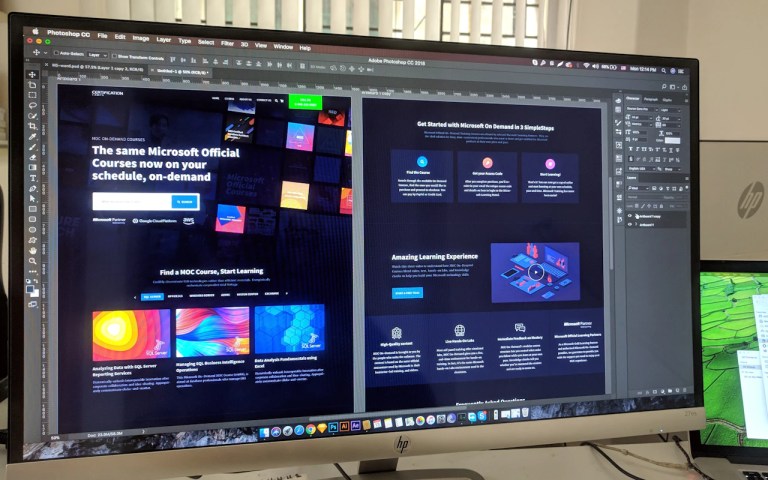
A component-based design system in Figma, translated into reusable Gutenberg/ACF blocks, so every site and team builds from the same approved parts.
-
04. Build and integrate
Two-week sprints on staging environments, with integrations, SSO, and migration scripts built and tested alongside the platform.

-
05. Migration and QA
Content migration, redirect mapping, accessibility checks to WCAG 2.2 AA, performance benchmarking, security review, and user acceptance testing.

-
06. Launch and ongoing support
Planned cutover, hypercare monitoring, editor training and documentation, then a retainer team for roadmap work and updates.
Case studies
Enterprise WordPress Case Studies
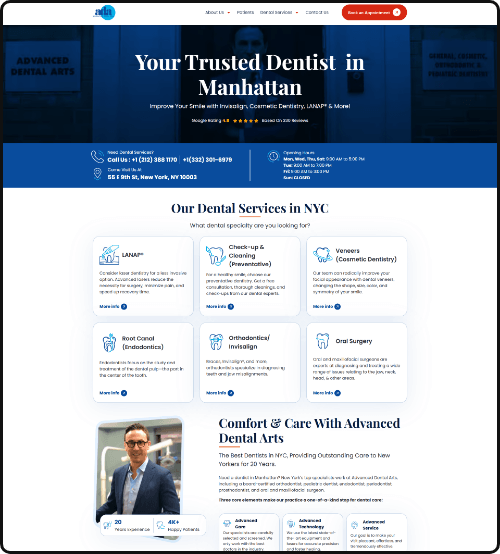
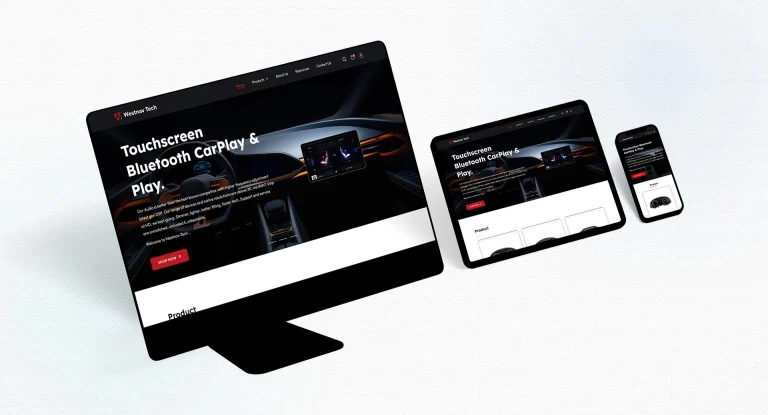
WordPress sites we have built and improved, and what changed for each business.


Engagement
How Teams Work With an Enterprise WordPress Agency
Three engagement models, depending on your roadmap and in-house capacity.
Phased Program
A platform build or migration delivered in defined phases, each with its own fixed-price scope, timeline, and sign-off.
Enterprise Retainer
A dedicated team on monthly hours for roadmap features, integrations, updates, and support across your sites.
Embedded Developers
cmsMinds WordPress developers working inside your team, tools, and sprint cadence, full-time or part-time.
Client reviews
What Clients Say About Our Enterprise WordPress Work
“cmsMinds has been a fantastic partner as our WordPress developer agency. The transition from our previous developer was seamless, and their team has been incredibly responsive, detail-oriented, and proactive in troubleshooting any issues that come up. We’ve been very impressed with their communication and turnaround times. Looking forward to continuing the relationship — highly recommend!”
 Zach Denes
-
“Working with cmsMinds has been a consistently positive experience. Their development has been responsive and delivered the platform with both speed and quality. Looking back, choosing them was absolutely the right decision, and I would highly recommend their work.”
 Andrew Nottman
-
“CMS Minds is a great team to partner with. They put a lot of care into the work they do, work through our complex challenges and work really hard to deliver on-time and produce high-quality work. We are grateful for everything they do.”
 Kelly DeWald
-
“cmsMinds is a team of professional web developers that is a great pleasure to work with. They are very responsive and highly skilled. They have been able to help me with all my companies web related projects. I plan to work with them for many years to come.”
 Suave Kajko
Planning an Enterprise WordPress Platform?
Book a call with a senior WordPress lead. We will talk through your sites, systems, and timeline, and tell you what it would take in time and budget.
FAQ
Frequently Asked Questions
Answers to the questions enterprise, IT, and procurement teams ask most often.
What is enterprise WordPress?
Enterprise WordPress is WordPress built and run for large organizations: many sites, many editors, strict security and compliance needs, and integrations with existing business systems. It uses the same open-source core as any WordPress site, with custom architecture, governance, managed hosting and release processes designed for scale.
Is WordPress secure enough for an enterprise?
Yes, when it is built and hosted properly. WordPress core is maintained by a dedicated security team, and enterprise risk usually comes from unvetted plugins, weak roles and unmanaged updates. Custom code, a minimal plugin set, SSO and role design, staged releases and managed enterprise hosting reduce that risk to a level large public and private organizations already accept.
Can WordPress replace Sitecore or Adobe Experience Manager?
For most marketing, content and corporate platforms, yes. Organizations move to WordPress to cut license and upgrade costs, speed up publishing and widen the pool of developers who can work on the platform. An audit comes first to confirm fit, including personalization, workflow and integration needs, because a few DXP features need a third-party service or custom work in WordPress.
How much does enterprise WordPress development cost?
Enterprise WordPress projects with complex architecture, integrations or migrations typically start in the $50,000–$100,000 range and go higher for multisite programs, and larger platforms with complex migrations or integrations run $100,000 to $250,000+. The price depends on the number of sites, templates, integrations and content volume, and large programs are usually phased. Compared with a proprietary DXP, you also stop paying annual license fees. You receive a fixed written estimate after discovery.
How long does an enterprise WordPress project take?
Enterprise builds with complex architecture typically take 12 to 16 weeks or longer. Multisite programs and large migrations are often delivered in phases over several months, so each release is smaller and easier to test. The timeline is set in writing after discovery and tracked in two-week sprints with your stakeholders.
How do I choose an enterprise WordPress agency?
Choose an enterprise WordPress agency that can show platforms of similar scale, explain its governance and security approach, and work with your IT, legal and procurement teams. Ask about SSO, role design, accessibility, release management and documentation, and who supports the platform after launch. Confirm you will own all code and that your team could take over without the agency.
Do you build WordPress multisite networks?
Yes. We build multisite networks for organizations that run several brand, regional or departmental sites, with one shared codebase and design system, central governance and local publishing permissions for each team. Multisite is not always the right answer, so discovery compares it with separate installs before the architecture is fixed.
Which hosting do you recommend for enterprise WordPress?
It depends on traffic, compliance and internal IT requirements. For most enterprise platforms we recommend managed WordPress hosting such as Pressable Enterprise, WordPress.com or WordPress VIP. If you already run your own infrastructure, we audit it and tell you what would need to change before launch, so hosting does not become the bottleneck.
How do you reduce risk when migrating from a legacy DXP?
Risk is reduced by planning and phasing. We inventory content and integrations, map every URL to its new address, migrate content with scripts that can be rerun, and test on staging with your editors before any switch. Large programs move site by site, so each launch is smaller and lessons carry forward. Rankings, analytics and integrations are checked after each release.
What happens after an enterprise WordPress platform launches?
The platform moves into managed support: tested core and plugin updates, security monitoring, performance reviews and a backlog of improvements delivered in sprints. Most enterprise clients keep a retainer or a dedicated team for this. You own the codebase and documentation, so your internal developers can share the work or take it over whenever you choose.
Guides on Enterprise WordPress
-

Enterprise WordPress Development: The Complete Guide
Explore enterprise WordPress development, including services, architecture, integrations, costs, timelines, team structure, and how WordPress compares with platforms like Sitecore and AEM.
-
WordPress for Enterprise: Scalable, Secure, and Flexible CMS Solutions
Large corporations require the latest tools for their online businesses. Why? Because the business world is competitive, and large corporations need to survive. That’s where enterprise-level websites with WordPress come in. WordPress is perfect for building a unique online brand.
-

Drupal vs. WordPress VIP: Which Platform Powers the Enterprise Web Better?
Drupal vs. WordPress VIP: This comparison covers key factors like scalability, customization, performance, and ease of use, helping businesses choose the right platform for their unique needs in the enterprise web space.
WordPress services
Our WordPress Services
Everything we build and support on WordPress, from custom development and migrations to maintenance and performance work.